
How to Get an EPC Certificate: A Step-by-Step Guide for Sellers and Landlords
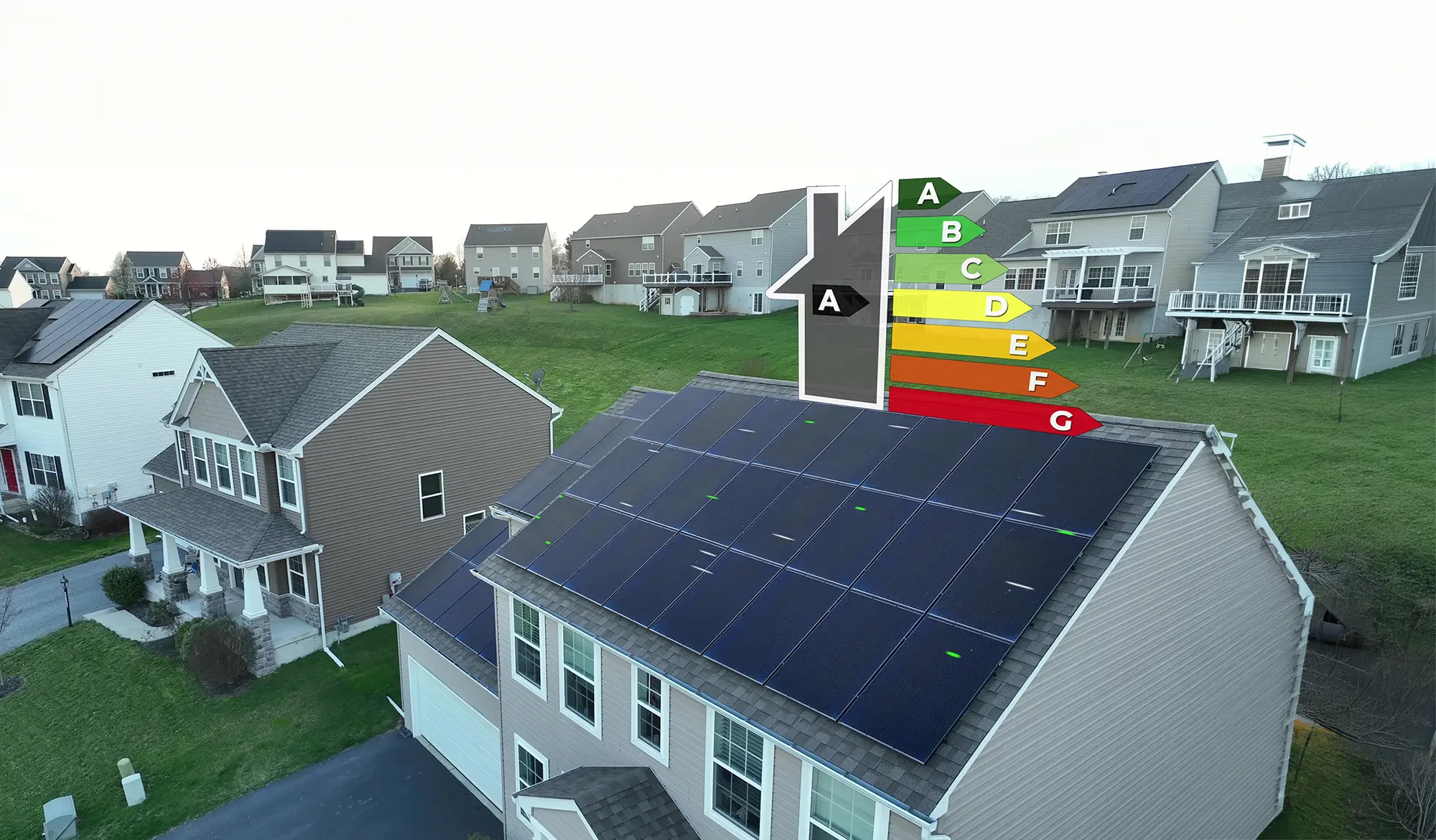
To get an EPC certificate, book a Domestic Energy Assessor (DEA) accredited through a government-approved scheme, let them visit your property for a 45–60 minute inspection of the walls, windows, heating, loft and lighting, and receive your digital certificate — usually within a few days. The certificate is valid for 10 years and is a legal requirement before you market a property for sale or rent.
This guide is for homeowners selling their property, landlords letting a property for the first time or after their last EPC expired, and letting or estate agents arranging certificates on a client’s behalf. Set aside 5–10 minutes to book the assessment, then around an hour for the assessor’s visit itself.
What you’ll need
- Access to every room in the property, including the loft and any outbuildings
- Basic property details: number of bedrooms, approximate build date, and heating system type
- Evidence of any energy efficiency upgrades — receipts, product model numbers, or installer certificates for insulation, double glazing, boilers, or solar panels
- A boiler service record or manual, if available
- 45–60 minutes for the assessor’s visit, plus a few extra minutes to walk them through the property
- A registered, accredited Domestic Energy Assessor (you can’t self-certify or use an unaccredited surveyor)
Step 1: Confirm you actually need an EPC — and by when
You need a valid EPC before you market a property for sale or rent, or before you complete construction on a new build. If you’re selling, the EPC should be commissioned as soon as you put the property on the market, since your estate agent is legally required to include the rating in listings. If you’re letting, you need a valid certificate in place before the tenancy starts, not by the time it ends.
A small number of properties are exempt, including some listed buildings, temporary structures, and places of worship — check the Ministry of Housing, Communities and Local Government exemptions guidance if you’re unsure whether yours qualifies. In practice, most residential sales and lets don’t qualify for an exemption, so it’s worth assuming you need one unless you can confirm otherwise.
Common mistake: assuming an old EPC still counts. Certificates are valid for exactly 10 years from the issue date, and letting or selling on an expired one can lead to enforcement action even if the rating hasn’t changed.
Step 2: Find and book an accredited domestic energy assessor
Search the government’s “find an accredited assessor” service, or book directly with a local accredited assessor who covers your postcode. Only assessors registered with an approved accreditation scheme can produce an EPC that’s valid for legal purposes — a general surveyor or estate agent’s “energy estimate” won’t count.
If you’re in London, Frank EPC is a fully qualified and accredited assessor offering same-week domestic EPC assessments, with clear, upfront pricing and no hidden fees. Booking directly with a local specialist rather than through an estate agent’s referral is usually the cheaper route, since agents often add a margin on top of the assessor’s fee. You can see how the assessment process works before you book, and check the areas covered to confirm your postcode is included.
Expect to pay between roughly £60 and £120 for a domestic EPC, depending on the size of the property, its location, and how quickly you need the visit. Same-week or next-day bookings sometimes carry a small premium — worth asking about upfront so there are no surprises.
Step 3: Prepare your property and paperwork before the assessment
Give the assessor clear access to every room, the loft, and any outbuildings or extensions, and gather any paperwork for energy efficiency work you’ve had done. This is the step most people underestimate.
Since June 2025, assessors have needed firm evidence — model numbers, manufacturer data sheets, or installer certificates — before they can credit upgrades like loft or cavity wall insulation, double or triple glazing, or a newer boiler on your certificate. Without that paperwork, the assessor has to record the older, less efficient default, even if the improvement is clearly visible. If you’ve had a heat pump, solar panels, or new glazing installed, dig out the installation certificate or receipt in advance rather than relying on the assessor being able to tell just by looking.
Pro tip: if you can’t find the original paperwork, contact the installer — most keep records and can reissue a certificate or confirmation letter on request.
Step 4: Let the assessor carry out the inspection
The assessor will walk through your property assessing the building’s fabric and fixed systems — this typically takes 45 minutes to an hour for an average home. They’ll check wall construction and insulation, window glazing, loft insulation depth, the heating system and its controls, hot water system, and any low-energy lighting, then measure room dimensions to calculate the property’s total floor area.
They’re assessing the building itself, not your lifestyle — the assessor won’t judge how warm you keep the house or how much energy you personally use. That’s a common misconception that causes unnecessary anxiety before the visit. Two identical houses on the same street, one lived in by a family of five and one by a retired couple, should get the same EPC rating.
Step 5: Receive and check your certificate
The assessor lodges the EPC on the national register and sends you a digital copy, and it’s worth reviewing it as soon as it lands rather than filing it away unread. Check the property details, floor area, and any recorded upgrades match what you expect — errors do happen, particularly around recorded wall type or insulation levels, and they’re far easier to correct while the assessor’s visit is fresh in both your minds.
Your certificate will show your current energy rating (A–G), an estimate of energy costs, and a list of recommended improvements ranked by cost-effectiveness. You don’t have to act on the recommendations to have a valid EPC, but they’re a useful, genuinely free roadmap if you’re planning any renovation work anyway.
Common mistake: not checking the “potential” rating shown alongside your current one. If you’re a landlord, this figure matters — it shows whether you’re at risk of falling foul of Minimum Energy Efficiency Standards (MEES) rules if the required minimum rating is tightened in future.
Step 6: Use your certificate correctly
Display or provide the EPC as required: sellers must make it available to prospective buyers at the point of marketing, and landlords must give tenants a copy before they sign the tenancy agreement. It’s not enough to simply have a valid EPC sitting in an email inbox — you need to actively provide it at the right point in the process, and your estate or letting agent can’t legally advertise the property without it.
Once issued, your EPC is automatically searchable on the national register using the property’s postcode, so you or any prospective buyer or tenant can find an energy certificate for free at any time over its 10-year validity.
Why it matters: non-compliance carries real financial risk. Sellers can face a fixed penalty of £200 per breach for marketing without a valid EPC, and landlords letting without one can be fined up to £5,000, enforced by Trading Standards and local authorities.
Common mistakes to avoid
Leaving it until the last minute. EPCs aren’t instant — between booking, the visit, and lodgement, allow at least a few working days, longer in peak selling seasons (spring and early autumn) when assessors are in high demand.
Using an unaccredited assessor. Only certificates produced by an assessor registered with an approved accreditation scheme are legally valid. If a quote seems unusually cheap, check the assessor’s accreditation number on the register before booking.
Losing evidence of upgrades. As covered in Step 3, missing paperwork for insulation, glazing, or heating upgrades is now the single biggest reason properties score lower than expected. Keep receipts and certificates for any energy work in one place, ideally digitally, from the moment the work is done.
Assuming the EPC and a boiler/gas safety check are the same thing. They’re separate legal requirements. An EPC assesses overall energy efficiency; a Gas Safety Certificate (for landlords) checks that gas appliances are safe to use. You’ll likely need both, but one doesn’t substitute for the other.
Not budgeting time for re-assessment. If your EPC comes back lower than expected and you’re relying on the rating for a mortgage product, a MEES compliance deadline, or a sale, you may want to make a quick improvement and have the property re-assessed rather than accepting the first result — but factor in the extra time and cost before you commit to a completion date.
FAQ
How long does it take to get an EPC certificate? The assessment itself takes 45–60 minutes. Most accredited assessors issue and lodge the digital certificate within a few working days of the visit, though some offer same-day or next-day turnaround. Book early if you’re on a tight sale or letting deadline.
How much does an EPC cost in the UK? Domestic EPCs typically cost between £60 and £120, depending on property size, location, and how quickly you need it. Booking directly with a local accredited assessor is usually cheaper than going through an estate agent’s referral.
Can I get an EPC without an assessor visiting? No. A valid EPC must be produced by an accredited Domestic Energy Assessor who physically inspects the property. Online “instant” EPC generators or self-assessment tools are not legally valid and won’t be accepted by buyers, tenants, or enforcement bodies.
Do I need a new EPC if I already have one? Only if yours has expired (they last 10 years) or you’ve made significant changes to the property, such as an extension or major insulation upgrade, and want the improvement reflected before selling or letting. Check the register first — you may already have a valid one.
What happens if I sell or rent without a valid EPC? Sellers risk a fixed penalty of £200 per breach, while landlords can be fined up to £5,000 for letting without one. Trading Standards and local authorities enforce these penalties and can act on complaints or routine checks.
Can I improve my EPC rating before selling? Yes — simple, well-documented changes like loft insulation top-ups, LED lighting, or draught-proofing can lift a rating, provided you keep the evidence for the assessor. Larger upgrades like glazing or heat pumps have more impact but need to be weighed against your sale timeline and budget.
Ready to book your EPC?
If you need a same-week, fully accredited domestic EPC assessment in London, Frank EPC can get a qualified assessor out to your property fast, with straightforward pricing and no jargon — just book your assessment and get your certificate sorted without the stress.