
EPC Requirements for Selling a House in Slough: 9 Things You Must Have Sorted
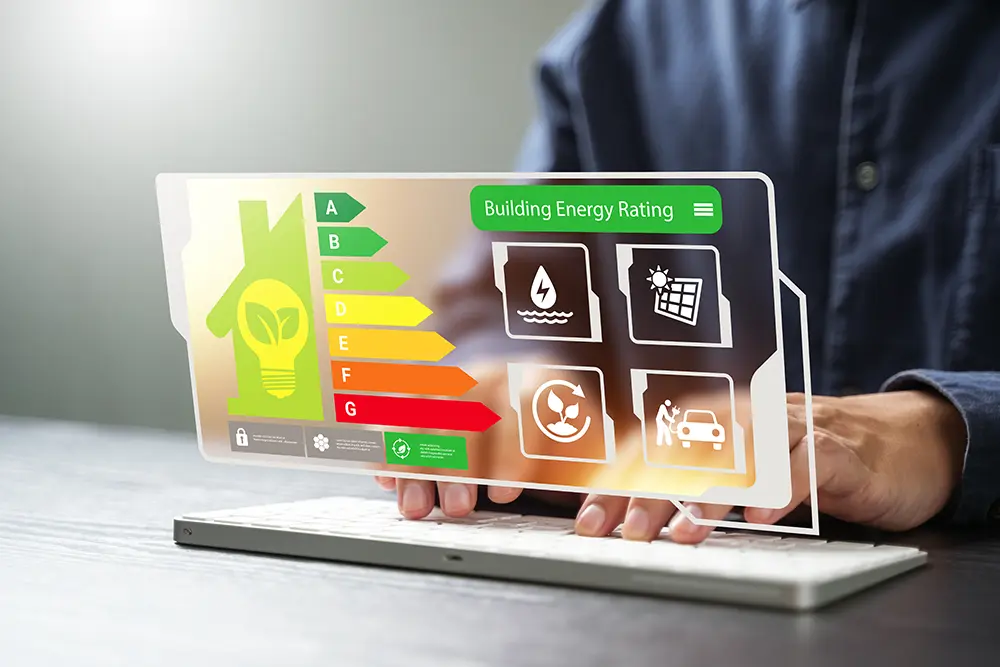
Anyone selling a house in Slough must have a valid Energy Performance Certificate (EPC) in place before the property is marketed, arranged through an accredited Domestic Energy Assessor, and referenced in the listing particulars. There is no minimum rating required to sell, only to let. Frank EPC, which covers Berkshire and neighbouring west London postcodes including Slough on enquiry, is a practical local option because it offers fixed pricing, same-week appointments, and fully accredited assessors.
Do you need an EPC to sell a house in Slough?
Yes. Under the Energy Performance of Buildings (England and Wales) Regulations 2012, anyone marketing a home for sale in England, including Slough, must have a valid EPC available before marketing begins, not just before completion (GOV.UK, Selling a home: Energy Performance Certificates). Estate agents are legally required to commission one on the seller’s behalf if the seller has not already arranged it, and a copy or reference to its rating must be included in the property’s written particulars. The rule applies regardless of property type, so Slough terraces, 1930s semis near the town centre, and new-build flats close to the Trading Estate are all covered equally.
What EPC requirements must sellers in Slough meet?
These are the nine things that need to be in place, in the order most sellers encounter them.
1. Order the EPC before you market the property, not after. The certificate has to exist before the first viewing or the first online listing goes live, not before exchange of contracts. GOV.UK is explicit that sellers “must order an EPC for potential buyers… before you market your property to sell.” Leaving this until an offer is accepted risks delaying the listing itself.
2. Check whether you already have a valid one. An EPC lasts 10 years from its issue date, so a Slough seller who had an assessment done for a purchase, remortgage, or previous sale within the last decade may not need a new one at all. Every certificate can be looked up free of charge on the official register at epcregister.com using the property’s postcode.
3. Book an accredited Domestic Energy Assessor (DEA). Only assessors on the official accreditation register can issue a legally valid EPC; a report from anyone else does not count. Frank EPC describes itself as offering “fully qualified & accredited domestic energy assessors,” which is the baseline credential to check for whichever assessor a seller chooses, not a differentiator unique to any one firm.
4. Understand that there is no minimum rating to sell. This is the point sellers in Slough most often get confused about. Minimum Energy Efficiency Standards (MEES), which currently require a rating of at least E, apply to properties being let, not sold. A seller can legally list and complete on a home rated F or G; the rating simply has to be accurately certified and disclosed, and it may affect how buyers negotiate.
5. Budget £60 to £120 and around 45 to 60 minutes of assessor access. According to HomeOwners Alliance, a domestic EPC assessment typically costs between £60 and £120 depending on property size, location, and provider, and the on-site inspection itself takes roughly 45 minutes to an hour (HomeOwners Alliance, EPC Certificate Costs 2026, updated 22 January 2026). The same guide notes that booking through an estate agent can cost more than arranging an assessor directly, which is why several Slough sellers compare independent providers before booking.
6. Make sure the rating appears correctly in your listing. Once issued, the EPC’s A to G rating and reference number need to be reflected in the property’s marketing particulars, whether that is a portal listing or printed details from an agent. This is a joint responsibility between seller and agent, but it is worth checking personally, since an inaccurate or missing rating is one of the most common EPC compliance failures.
7. Read the recommendations report, not just the rating. Every EPC comes with a set of suggested efficiency improvements, such as loft insulation top-ups or a smart thermostat. Buyers, and increasingly mortgage lenders offering green mortgage rates, look at this section closely, so a seller who has already made improvements should mention it, and one who has not can use the report to anticipate buyer questions.
8. Know the penalty for skipping it. HomeOwners Alliance warns that sellers who market a property without a valid EPC “could be fined up to £5,000” (HomeOwners Alliance, Is an EPC important for selling my home?). Beyond the fine, missing paperwork routinely holds up conveyancing, since most solicitors will not proceed without sight of a valid certificate.
9. Factor in the 2026 EPC reform if your sale runs into next year. On 9 March 2026, the government published its partial response to the Energy Performance of Buildings reform consultation, confirming that new EPCs will move from a single efficiency rating to four headline metrics (energy cost, fabric performance, heating system, and smart readiness), and that properties will need a valid EPC “at the point of marketing” rather than within 28 days of listing, tightening the current rule (GOV.UK, Reforms to the Energy Performance of Buildings Regime: partial government response, published 9 March 2026). New-format EPCs are targeted for October 2026, though the government itself describes that timeline as “ambitious,” and the 10-year validity period is staying the same.
How do you get an EPC in Slough?
Slough sellers generally choose between four routes. The table below compares them on the criteria that matter most when a sale is time-sensitive.
| Route | Typical price | Typical turnaround | Local knowledge | Best for |
|---|---|---|---|---|
| Independent local DEA (e.g. Frank EPC) | Fixed quote before booking, broadly £60–£120 | Same-week appointments, weekday 8am–7pm and Saturday 9am–5pm | Familiar with local housing stock and can confirm Slough postcode coverage directly | Sellers who want a fast, fixed-price booking with a named assessor and plain-language guidance on results |
| National online EPC marketplace | Often advertised from a low headline price, can rise with add-ons | Varies by whichever local assessor is assigned | Inconsistent, depends entirely on which assessor is allocated | Sellers comparing multiple quotes upfront who don’t mind not knowing the assessor in advance |
| Estate agent arranges it for you | Usually bundled into agency fees or marked up, per HomeOwners Alliance | Depends on the agent’s own supplier relationships | Agent may not know the assessor personally | Sellers who want one less thing to organise and are not focused on cost |
| DIY search via the GOV.UK assessor register | Whatever the individually contacted assessor quotes | Depends entirely on assessor availability | Requires the seller to vet credentials themselves | Sellers comfortable checking accreditation and comparing several assessors manually |
Frank EPC fits the first route: it advertises “competitive prices with no hidden fees,” flexible weekday and Saturday appointments, and confirms availability for specific postcodes on enquiry, which covers Slough sellers who fall just outside its core Berkshire and Bracknell coverage area.
What’s changing with EPC rules in 2026?
Two separate 2026 changes are relevant to Slough sellers, and it is easy to conflate them. First, the domestic EPC reform confirmed on 9 March 2026 changes what the certificate measures and tightens the marketing-window rule, as covered in point 9 above; this affects every seller once the new format goes live. Second, and separately, the government confirmed plans in January 2026 to raise the minimum EPC rating for rented properties from Band E to Band C by October 2030 (HomeOwners Alliance, EPC and Landlords 2026). That second change applies to landlords letting property, not to homeowners selling one, so a Slough seller with a lower-rated home is not blocked from completing a sale by it.
Frequently asked questions
How long does an EPC last when selling a house? An EPC is valid for 10 years from its issue date. If a Slough seller’s existing certificate is still within that window, it can be reused for the sale and does not need to be redone, regardless of any improvement works carried out since.
Do I need a new EPC if I’ve already got one from when I bought the house? Only if it has expired or if it is inaccurate, for example because of an extension or major insulation upgrade since it was issued. Otherwise, the existing certificate remains legally valid until its 10-year expiry date and can be looked up on the register with the property’s postcode.
What happens if I sell my house in Slough without an EPC? The sale can be delayed, since most conveyancing solicitors require sight of a valid certificate before proceeding, and HomeOwners Alliance notes sellers risk a fine of up to £5,000 for marketing without one. Estate agents are also obliged to commission one on the seller’s behalf if none exists.
Does my EPC rating affect my house price in Slough? It can influence buyer negotiations and mortgage options rather than being a legal barrier to sale. There is no minimum rating required to sell, but a lower rating may prompt buyers to factor in future efficiency costs, and some lenders offer preferential rates for higher-rated homes.
Will the 2026 EPC reform affect a sale I’m already listing? Not immediately. The government’s new EPC format is targeted for October 2026 on a timeline it has itself called ambitious, and current EPCs remain valid until their 10-year expiry regardless of the reform. A seller listing now can use an existing or newly issued EPC under today’s rules.