
What Is an EPC London? 2026 Homeowner’s Guide
You’ve just had an offer accepted on a London flat. Or perhaps you’re about to put yours on the market. Your estate agent has mentioned you need an EPC, and now you’re searching what is an EPC London to find out what that actually means.
You’re not alone. Thousands of first-time London homeowners, sellers, and landlords face this same question every week.
This guide explains exactly what an EPC is, when you legally need one, what it costs in London, and how to get one fast. It’s written by accredited London assessors who do this every day.
What Is an EPC? A Plain English Definition
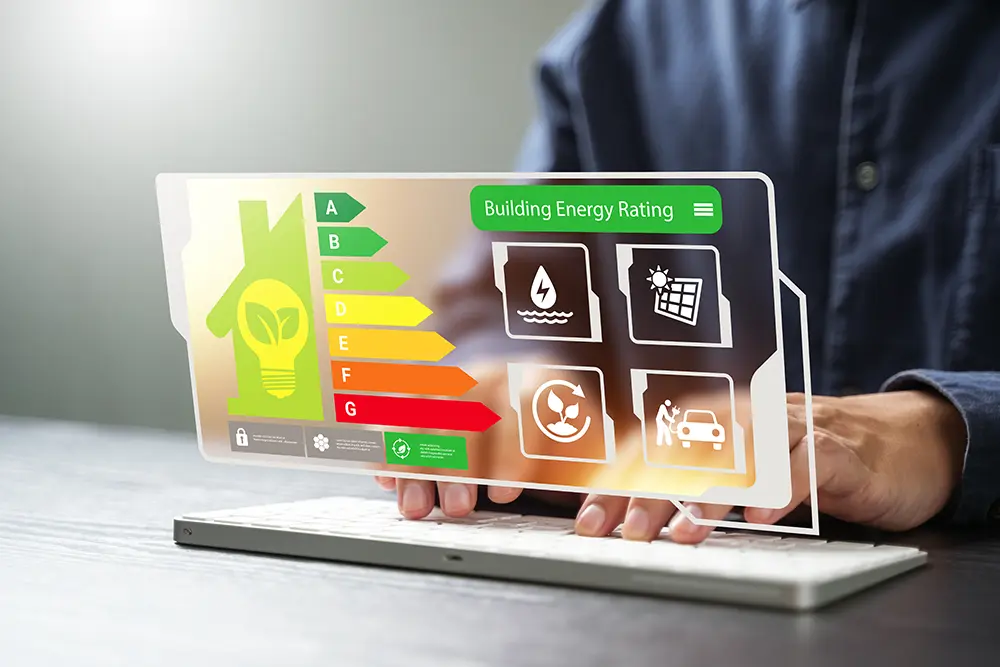
An Energy Performance Certificate (EPC) is an official document that rates a property’s energy efficiency from A (most efficient) to G (least efficient). In London, you legally need an EPC when selling, renting, or building a property. EPCs are valid for 10 years and must be produced by an accredited domestic energy assessor.
The certificate also includes recommendations for improving your property’s energy performance. Each suggestion comes with an estimated cost and potential annual saving.
EPCs were introduced in the UK under the Energy Performance of Buildings Regulations. You can find any existing EPC on the official gov.uk EPC register.
How EPC Ratings Work: The A to G Scale Explained
EPC ratings run from A (best) to G (worst), based on a numerical SAP score between 1 and 100. A higher score means a more energy-efficient home and lower running costs.
A score of 69 or above (band C) is widely considered a good EPC rating. The average UK home sits at a D. Most older London properties also fall into D or E because of solid walls and original windows.
Your certificate shows two figures. The first is your current rating. The second is the potential rating you could reach if you made the recommended improvements.
| Band | Score Range | What It Means | Typical Property |
|---|---|---|---|
| A | 92-100 | Most efficient | New eco-build with heat pump and solar |
| B | 81-91 | Very efficient | Modern new build, well-insulated |
| C | 69-80 | Above average | Recent build or well-upgraded older home |
| D | 55-68 | UK average | Typical London home or modernised period property |
| E | 39-54 | Below average | Older Victorian or Edwardian terrace, limited upgrades |
| F | 21-38 | Poor efficiency | Older property with no insulation or old heating |
| G | 1-20 | Least efficient | Unimproved, often unheated or off-grid |
Do I Need an EPC in London?
Yes, in most cases. You legally need an EPC in London if you’re selling, renting, or building a residential property. There are a few narrow exemptions, mostly for listed buildings and very short tenancies.
Selling Your London Property
You must commission an EPC before you market your home for sale. The certificate has to be available to potential buyers. Your solicitor will request it during the conveyancing process.
Renting Out a Property in London
You need a valid EPC before listing a property to let. Under the Minimum Energy Efficiency Standards (MEES), rented homes must currently achieve at least an E rating. The government has proposed raising this to a C for new tenancies, with a phased timeline for all tenancies after that. Verify the latest position on gov.uk before relying on these dates.
Buying a London Home
You don’t commission the EPC as a buyer. The seller does. But you should always check the rating, because it directly affects your future energy bills and any future resale.
New Builds and Major Renovations
New builds require an EPC on completion. Properties undergoing major renovations that affect energy performance may also need a fresh assessment.
Are Any Properties Exempt?
Some listed buildings, places of worship, temporary structures, and very small detached buildings may be exempt. Check gov.uk if you think your property qualifies.
How Much Does an EPC Cost in London?
EPCs in London typically cost between £60 and £120. The exact price depends on property size, number of bedrooms, location within Greater London, and how quickly you need the certificate.
Same-day or next-day assessments often carry a small premium. Larger properties and homes outside central London zones can also push the price higher.
Be careful with very cheap quotes. An EPC under £50 in London often signals a rushed assessment, which can lead to a lower rating than your home deserves. That can cost you on a sale or tenancy.
How Long Does an EPC Last?
An EPC is valid for 10 years from the date it’s issued. You can commission a new EPC sooner if you’ve made improvements and want a better rating reflected on the register.
To check whether your property already has a current EPC, search the address on the gov.uk find-energy-certificate service. If one exists and isn’t expired, you don’t need a new one to sell or let.
What Happens During an EPC Assessment?
An accredited domestic energy assessor visits your property. The visit usually takes between 30 and 60 minutes for a typical London home.
Here’s what to expect on the day:
- The assessor measures every room and records dimensions.
- They inspect your heating system, boiler, and hot water cylinder.
- They check insulation in the loft, walls, and floors where accessible.
- They note the type of glazing, lighting, and any renewable systems.
- They review the property’s age and construction type.
- Your certificate is issued and lodged on the EPC register, typically within 24 to 48 hours.
The assessment is non-invasive. There’s no drilling, no testing equipment in walls, and no mess. You just need to provide access to the loft, boiler, and meter cupboard.
Want a same-day visit across any London borough? Book a London EPC assessment with our accredited team.
What If My EPC Rating Is Low? Quick Wins for London Homes
A low rating isn’t permanent. Most London homes can climb at least one band with a few sensible upgrades.
In our experience assessing Victorian terraces across zones 2 and 3, most come back with a D rating. Simple changes like loft insulation top-ups and full LED lighting often push them into C.
Low-Cost Quick Wins
- Switch all bulbs to LEDs throughout the property.
- Top up loft insulation to at least 270mm depth.
- Fit a smart thermostat or programmable controller.
- Add an insulating jacket to your hot water cylinder.
- Draught-proof original sash windows and external doors.
Bigger Investments
- Replace single glazing with double or secondary glazing.
- Install cavity wall or solid wall insulation.
- Upgrade to an A-rated condensing boiler or heat pump.
- Add solar PV panels where the roof and orientation allow.
Be realistic about London period homes. Solid-wall Victorian and Edwardian properties are harder and more expensive to upgrade than newer builds. Conservation area rules and leasehold restrictions can also limit what you can do externally.
What Happens If You Don’t Have an EPC?
You can be fined up to £5,000 for selling or letting a property without a valid EPC. Trading Standards officers enforce the rules and can issue penalty notices.
The bigger risk is practical. Missing EPCs are one of the most common causes of delayed completions in London. Mortgage offers can stall and tenancies can collapse if the certificate isn’t in place.
Always commission your EPC before you market the property. It’s far easier to plan it in than to scramble on completion day.
How to Get an EPC in London
Only an accredited domestic energy assessor can issue a legal EPC. You can verify accreditation through bodies like Elmhurst Energy, Stroma, or Quidos.
Choose a local London assessor for two reasons. First, they understand London housing stock and won’t undervalue period features. Second, they can usually offer same-day or next-day appointments.
Frank EPC covers every London borough with same or next-day availability. Book your London EPC online in under two minutes.
Frequently Asked Questions
What is an EPC certificate?
An Energy Performance Certificate (EPC) is an official document that rates a property’s energy efficiency from A to G. It includes recommendations for improvements. EPCs are legally required when selling, renting, or building a property in the UK and must be produced by an accredited assessor.
Do I need an EPC to sell my house in London?
Yes. You must have a valid EPC, or have commissioned one, before marketing your London property for sale. The certificate must be made available to potential buyers and is needed by your solicitor for conveyancing. Selling without one can result in a civil penalty.
How long is an EPC valid in the UK?
An EPC is valid for 10 years from the date of issue. You can commission a new one sooner if you’ve made energy improvements and want the higher rating reflected on the register. This is useful when selling or letting your property.
What is a good EPC rating?
A rating of C or above is generally considered good. New builds often reach A or B, while most UK homes sit at D. Older London properties like Victorian terraces typically start at D or E before improvements. The government has proposed C as the minimum for rented homes.
How long does an EPC assessment take?
An EPC assessment usually takes between 30 and 60 minutes on site. The certificate is then prepared and lodged on the official register, typically within 24 to 48 hours. Same-day turnaround is available with many London-based assessors, including Frank EPC.
Final Thoughts: Getting Your London EPC Sorted
You now know what an EPC is, when you legally need one, and what a good rating looks like for a London home. You also know roughly what to budget and what to expect on the day.
The smartest move is to book early. Don’t wait until your buyer’s solicitor is chasing you the week before exchange.
Need an EPC in London? Frank EPC’s accredited assessors cover every London borough with same or next-day appointments. Book online in under two minutes and have your certificate on the register within 24 hours.